

What are the differences between copper finned tubes and aluminum finned tubes?
Oct 28, 2025
Hey there! As a supplier of copper finned tubes, I often get asked about the differences between copper finned tubes and aluminum finned tubes. So, I thought I'd write this blog to break it all down for you.
Material Properties
Let's start with the basics - the materials themselves. Copper is a heavy - hitter in the thermal conductivity department. It's got a thermal conductivity that's through the roof compared to aluminum. What does this mean for you? Well, if you're looking for a finned tube that can transfer heat super fast, copper is your go - to. This makes copper finned tubes ideal for applications where rapid heat transfer is crucial, like in high - performance heat exchangers.
On the other hand, aluminum is much lighter than copper. This can be a huge advantage in situations where weight is a concern. For example, in the aerospace industry or in some portable cooling systems, using aluminum finned tubes can help reduce the overall weight of the equipment. But when it comes to thermal conductivity, aluminum just can't match copper. It's still a decent conductor, but it lags behind copper.
Cost Considerations
Cost is always a big factor when you're making a purchasing decision. Copper is generally more expensive than aluminum. The price of copper is influenced by market demand, mining costs, and other economic factors. So, if you're on a tight budget, aluminum finned tubes might seem like the more attractive option.

However, you've got to think about the long - term. Because copper has better thermal conductivity, copper finned tubes may be more energy - efficient in the long run. This can lead to cost savings on energy bills over time, which might offset the initial higher purchase price. You've got to weigh the upfront cost against the potential long - term savings.
Corrosion Resistance
Corrosion can be a real headache when it comes to finned tubes. Copper has excellent corrosion resistance, especially in many common environments. It forms a protective oxide layer on its surface, which helps prevent further corrosion. This makes copper finned tubes suitable for use in harsh industrial settings, or in areas where the tubes might be exposed to moisture or chemicals.
Aluminum also has good corrosion resistance, but it's a bit more sensitive to certain chemicals. In acidic or alkaline environments, aluminum can corrode more easily than copper. So, if your application involves exposure to these types of substances, copper finned tubes are probably the safer bet.
Manufacturing and Installation
Manufacturing copper finned tubes can be a bit more challenging than aluminum ones. Copper is a tougher material to work with, and it requires more specialized equipment and techniques. Laser welding is a great option for creating copper finned tubes, and you can learn more about Laser Welding Finned Pipe. This process ensures a strong bond between the fins and the tube, which is essential for good heat transfer.
Aluminum, being a softer material, is easier to shape and form. This means that aluminum finned tubes can be manufactured more quickly and at a lower cost in some cases. But remember, just because it's easier to make doesn't necessarily mean it's the best choice for your specific needs.
Applications
The applications for copper and aluminum finned tubes can vary widely. Copper finned tubes are commonly used in power plants, chemical processing, and refrigeration systems. Their high thermal conductivity and corrosion resistance make them perfect for these demanding applications.
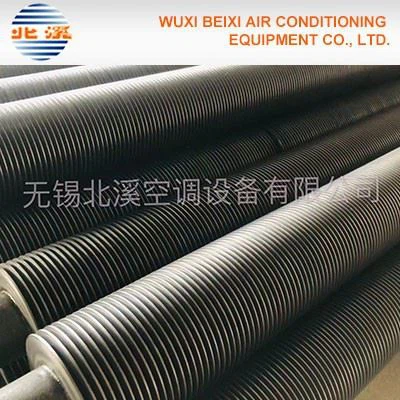
Aluminum finned tubes, on the other hand, are often found in air conditioning units, automotive radiators, and some low - pressure heat exchangers. Their lightweight nature and relatively good thermal conductivity make them a popular choice for these types of applications. You can find more information about Aluminium Finned Tube and Elliptical Finned Tube on our website, which offer different options for various applications.
Durability
When it comes to durability, copper finned tubes usually have the edge. They can withstand higher temperatures and pressures without deforming or losing their effectiveness. This makes them a great choice for long - term, high - stress applications.
Aluminum finned tubes are durable too, but they may not hold up as well under extreme conditions. Over time, the softer nature of aluminum can lead to more wear and tear, especially in high - vibration or high - pressure environments.
Aesthetics
This might not be the most important factor, but it's still worth considering. Copper has a distinctive, warm color that can add a touch of style to some applications. If the appearance of the finned tubes is important, like in some architectural or decorative heat exchange systems, copper can be a great choice.
Aluminum, on the other hand, has a more neutral, silver - gray color. It's less likely to stand out in terms of aesthetics, but it can blend in well with other components in a system.
In conclusion, both copper finned tubes and aluminum finned tubes have their own unique advantages and disadvantages. The choice between the two depends on your specific requirements, budget, and application. If you're still not sure which type of finned tube is right for you, don't hesitate to reach out. I'm here to help you make the best decision for your project. Whether you need a high - performance copper finned tube or a cost - effective aluminum one, I can provide you with the information and products you need. So, if you're interested in purchasing finned tubes, let's start a conversation and see how we can work together.
References
- "Heat Transfer in Finned Tubes" - A textbook on heat transfer principles and applications of finned tubes.
- Industry reports on the copper and aluminum markets, which provide insights into cost and availability.
- Technical specifications from manufacturers of copper and aluminum finned tubes.