

What are the common applications of finned aluminum tubing?
Oct 08, 2026
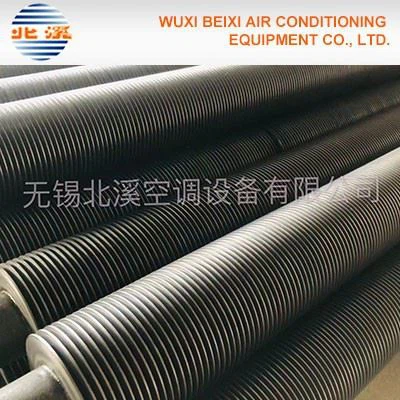
If you've ever stood in front of a space heater on a cold winter day, breathed air that feels crisp and filtered after running an AC unit, or loaded groceries into a fridge that keeps everything crisp and fresh, chances are you've interacted with finned aluminum tubing-even if you didn't realize it. As a supplier of this versatile component, I've spent years watching how finned aluminum tubing quietly powers so many of the systems we rely on daily, often outperforming other materials for its lightweight design, excellent thermal conductivity, and resistance to corrosion. What makes it so ubiquitous, in my experience, is that it's engineered to solve a simple but critical problem: when you need to transfer heat between a fluid (like refrigerant, water, or oil) and air, a plain pipe doesn't have nearly enough surface area to do that job efficiently. Fins-those thin, flat, raised strips bonded to the pipe's outer surface-add that extra surface area without making the entire system unnecessarily bulky or heavy. Over the years, I've worked with clients across dozens of industries, each using finned aluminum tubing in unique ways, and I'm often surprised by how many applications go beyond the obvious HVAC systems. Let's break down the most common uses, why finned aluminum tubing is the go-to choice for each, and where specialized variants like Copper Finned Tubes, Laser Welding Finned Pipe, and others come into play.
First and foremost, the largest and most well-known application is in commercial and residential HVAC systems. If you've ever opened an air handler unit in an office building or changed your home's air filter, you've seen the heat exchanger that uses finned aluminum tubing. Here's how it works: during cooling mode, warm refrigerant flows through the inside of the finned tube, while ambient air is blown across the fins. The thin aluminum fins and the metal tubing conduct heat away from the refrigerant, turning it from a hot gas into a cool liquid, and the resulting cold air is circulated through ductwork to cool the space. In heating mode, the process reverses: hot refrigerant heats the tubing, and the fins transfer that heat to the air being distributed. What makes aluminum ideal here is its combination of thermal conductivity (it's only about 60% as conductive as copper, but it's a third of the weight) and corrosion resistance, which is key because HVAC systems often handle moist air that can cause rust or degradation over time. For more specialized HVAC needs, like high-capacity rooftop units or industrial air handling systems, we often recommend Laser Welding Finned Pipe, because the laser weld creates a seamless, airtight bond between the fins and the core tubing-no gaps that would cause air leaks or reduce heat transfer efficiency. This is especially important in systems where even a small air leak can lead to significant energy waste, and many clients come to us specifically for these weldless-gap finned pipes to keep their HVAC systems running at peak efficiency.

Moving beyond HVAC, finned aluminum tubing is a critical component in refrigeration systems, from residential fridges and freezers to large commercial cold storage warehouses and transport refrigeration units (think the ones on semi-trucks that keep food and pharmaceuticals cold during cross-country trips). The challenge here is similar to HVAC, but with higher demands for precise temperature control, especially for perishable goods or sensitive medical supplies. In a residential fridge, for example, finned aluminum tubing forms the evaporator coil inside the freezer compartment. The refrigerant inside the tubing absorbs heat from the air and food in the fridge, while the fins maximize the amount of air that can come into contact with the cold metal, ensuring the fridge cools evenly without hot spots. For commercial cold storage, which handles massive volumes of goods 24/7, clients often opt for Elliptical Finned Tube instead of round tubing. The elliptical shape has a larger surface area in the same footprint as a round tube, and it creates less air resistance as air flows across the fins-meaning the refrigeration system uses less energy to move air over the coils, lowering operational costs over time. I've worked with several grocery chain clients that switched to elliptical finned aluminum tubing in their walk-in freezers and saw a 12% drop in annual energy bills, a huge saving for a business running those systems 365 days a year.
Industrial process cooling is another major application that most people don't see, but it's vital for manufacturing, chemical processing, and power generation. For example, in a manufacturing plant that produces steel or automotive parts, heavy machinery generates massive amounts of heat that must be removed to keep the equipment running without overheating. Finned aluminum tubing is used in large cooling towers and process heat exchangers that circulate water or oil through the tubing, then use ambient air or water to cool it down. In power plants, whether they're fossil fuel or renewable (like concentrating solar power plants), finned aluminum tubing is used in condensers that turn steam back into water after it's passed through a turbine, a step that's essential for generating electricity efficiently. The corrosion resistance of aluminum is a huge benefit here, because industrial process fluids and moisture can be highly corrosive, and tubing made from aluminum holds up better than steel in these harsh environments without needing frequent replacement. We also provide Heat Exchanger Finned Tube variants specifically engineered for industrial use, with thicker walls and reinforced fin bonds to handle the higher pressure and temperature loads common in these settings.
One application that's been growing quickly in recent years is in solar thermal systems, which use the sun's heat to generate hot water for homes or businesses, or even to generate electricity. In a solar thermal panel, finned aluminum tubing is mounted behind a layer of glass, and a heat transfer fluid flows through the tubing. The fins capture sunlight that hits the panel (even diffuse sunlight on cloudy days) and transfer that heat to the fluid, which is then circulated to a hot water tank or a heat exchanger to warm the building. Aluminum is ideal here because it's lightweight enough to be mounted on rooftops without adding too much structural weight, and it resists the outdoor elements-rain, snow, UV rays-far better than other metals. I've worked with a number of solar installers who switched to finned aluminum tubing over copper for their residential solar hot water systems, and they report that the aluminum version is 30% lighter, half the cost, and lasts just as long as copper in outdoor conditions. For larger-scale solar thermal farms that generate heat for industrial processes, we often recommend a hybrid of aluminum finned tubing and copper core tubing, balancing weight, cost, and thermal performance to meet their specific needs.
Now, I should mention that while finned aluminum tubing has a wide range of uses, it's not always the right choice for every application, and that's where specialized variants come in. For example, if a system needs to handle very high pressure or extreme temperatures, like in some industrial gas processing, we might recommend Copper Finned Tubes instead of aluminum, because copper has higher tensile strength at extreme temperatures and resists corrosion from certain chemicals better than aluminum. For any application that requires a super-strong bond between fins and tubing, laser welding is the gold standard, which is why our Laser Welding Finned Pipe line is so popular-no mechanical crimping or adhesive that can fail over time, creating a permanent bond that lasts the life of the system.
At the end of the day, the common thread across all these applications is efficiency. Finned aluminum tubing solves a problem that every heat transfer system faces: maximizing heat transfer while minimizing weight, cost, and maintenance. As a supplier, my goal isn't just to sell a product-it's to help our clients find the right finned tubing for their specific needs, whether that's a standard round finned tube for a residential HVAC system, an elliptical tube to save energy in a commercial fridge, or a laser-welded tube for a high-performance EV battery. If you're working on a project that requires heat transfer, or if you're looking to upgrade your current system to save energy or lower maintenance costs, I'd encourage you to reach out to discuss your needs. Our team has years of experience across all the industries I mentioned, and we can help you find the perfect finned aluminum tubing solution for your application.
References
- ASHRAE Handbook: HVAC Systems and Equipment (2022), American Society of Heating, Refrigerating and Air-Conditioning Engineers
- "Thermal Conductivity of Metals and Alloys", Engineering ToolBox, 2023
- Electric Vehicle Thermal Management: Best Practices and Emerging Technologies, SAE International, 2021
- Finned Tube Heat Exchangers: Design and Application Guidelines, Heat Transfer Research Institute, 2020
- "Corrosion Resistance of Aluminum and Copper in Outdoor and Industrial Environments", Journal of Materials Engineering and Performance, Vol. 30, No. 4, 2021