

What is the influence of finned copper pipes on the overall system cost?
Jul 23, 2026
In the realm of heat exchange systems, finned copper pipes have emerged as a cornerstone component, significantly influencing the overall system cost. As a finned copper pipe supplier, I've witnessed firsthand how these pipes can reshape the economic landscape of various industries. This blog post aims to delve into the multifaceted influence of finned copper pipes on system costs, exploring both the direct and indirect factors at play.
Initial Investment and Material Costs
The first aspect to consider is the initial investment in finned copper pipes. Copper, as a material, is known for its high thermal conductivity, corrosion resistance, and durability. These properties make it an ideal choice for heat exchange applications, but they also come at a cost. Compared to other materials like steel or aluminum, copper is generally more expensive. However, the long - term benefits often outweigh the higher upfront price.
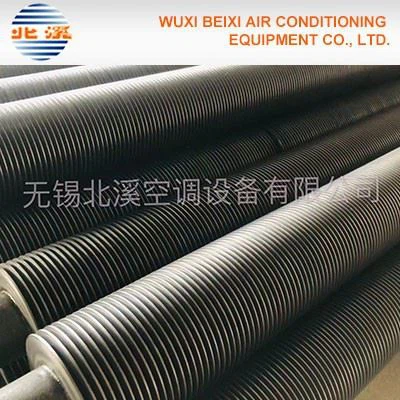
When it comes to finned copper pipes, the manufacturing process adds an additional layer of cost. The fins are designed to increase the surface area of the pipe, enhancing heat transfer efficiency. Different types of finned copper pipes, such as Laser Welding Finned Tube, Oval Square Fin Tube, Elliptical Finned Tube, Laser Welding Finned Pipe, and Laser Welded Finned Coil, have unique manufacturing requirements. For example, laser - welded finned pipes require specialized equipment and skilled labor, which can drive up the cost.
However, it's important to note that the initial investment in high - quality finned copper pipes can lead to significant savings in the long run. The enhanced heat transfer efficiency means that the system can achieve the same level of performance with a smaller heat exchanger, reducing the overall size and cost of the equipment.
Energy Efficiency and Operational Costs
One of the most significant ways finned copper pipes influence the overall system cost is through energy efficiency. The fins on the copper pipes increase the surface area available for heat transfer, allowing for more efficient exchange of heat between the fluid inside the pipe and the surrounding environment. This means that less energy is required to achieve the desired temperature change, resulting in lower energy bills.
In industrial applications, where large - scale heat exchange systems are used, the energy savings can be substantial. For example, in a power plant, a more efficient heat exchanger using finned copper pipes can reduce the amount of fuel needed to generate electricity, leading to significant cost savings over time.
Moreover, the durability of copper pipes means that they require less maintenance and replacement compared to other materials. This reduces the downtime of the system and the associated costs of maintenance and repair. The corrosion resistance of copper also ensures that the pipes can operate in harsh environments without significant degradation, further extending their lifespan and reducing long - term costs.
System Design and Installation Costs
The design and installation of a heat exchange system using finned copper pipes can also impact the overall cost. The unique properties of finned copper pipes may require specialized design considerations. For example, the increased surface area of the fins can affect the flow characteristics of the fluid inside the pipe, requiring careful design of the piping system to ensure optimal performance.
Installation costs can also vary depending on the type of finned copper pipes used. Some types of pipes, such as laser - welded finned coils, may require more complex installation procedures, which can increase the labor cost. However, proper installation is crucial to ensure the long - term performance and efficiency of the system. A well - installed finned copper pipe system can operate at peak efficiency, maximizing the energy savings and reducing the overall cost of ownership.
Market Competition and Supplier Pricing
As a finned copper pipe supplier, I understand the role of market competition in determining the cost of our products. The finned copper pipe market is highly competitive, with many suppliers offering a variety of products. This competition can drive down prices, making finned copper pipes more accessible to a wider range of customers.

However, it's important to note that not all finned copper pipes are created equal. Low - cost products may not offer the same level of quality and performance as higher - end products. When choosing a supplier, customers should consider factors such as the manufacturing process, the quality of the materials, and the reputation of the supplier. At our company, we focus on providing high - quality finned copper pipes that offer excellent performance and long - term value.
Environmental and Regulatory Considerations
In recent years, environmental and regulatory considerations have also become important factors in the overall system cost. Copper is a recyclable material, which means that at the end of its lifespan, the finned copper pipes can be recycled and reused. This reduces the environmental impact of the system and can also provide some cost savings through the recycling process.
Moreover, many industries are subject to strict environmental regulations regarding energy efficiency and emissions. Using finned copper pipes can help companies meet these regulations by improving the energy efficiency of their heat exchange systems. This can avoid potential fines and penalties, further reducing the overall cost of the system.
Conclusion
In conclusion, finned copper pipes have a profound influence on the overall system cost. While the initial investment may be higher compared to other materials, the long - term benefits in terms of energy efficiency, durability, and reduced maintenance costs make them a cost - effective choice. The unique properties of finned copper pipes also require careful consideration in system design and installation, but when properly implemented, they can provide significant savings over the life of the system.
As a finned copper pipe supplier, we are committed to providing high - quality products that meet the needs of our customers. If you are interested in learning more about our finned copper pipes or would like to discuss your specific requirements, please feel free to contact us for a procurement consultation. We look forward to working with you to optimize your heat exchange system and reduce your overall costs.
References
- Incropera, F. P., & DeWitt, D. P. (2002). Fundamentals of Heat and Mass Transfer. John Wiley & Sons.
- Holman, J. P. (2009). Heat Transfer. McGraw - Hill.
- Kreith, F., & Bohn, M. S. (2010). Principles of Heat Transfer. Cengage Learning.