

How to choose the right aluminium finned tube?
Aug 26, 2026
Hey there! As an aluminium finned tube supplier, I've seen a lot of folks scratching their heads when it comes to choosing the right aluminium finned tube for their needs. It's not as straightforward as it might seem, but don't worry – I'm here to break it down for you in a simple and easy - to - understand way.
Understanding Aluminium Finned Tubes
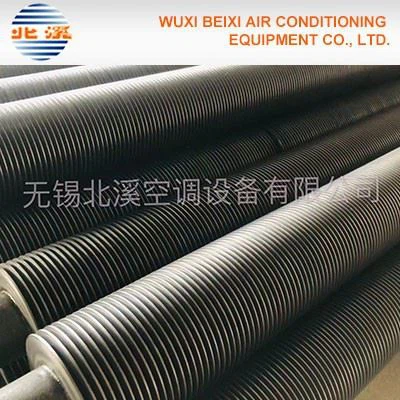
First off, let's talk a bit about what aluminium finned tubes are. These tubes have fins made of aluminium attached to the outer surface of a base tube. The fins increase the surface area of the tube, which in turn enhances heat transfer efficiency. They're used in a wide range of applications, from HVAC systems to industrial heat exchangers.
Factors to Consider When Choosing
1. Application Requirements
The most important thing is to think about where you're going to use the finned tube. Different applications have different demands. For example, if you're using it in a refrigeration system, you'll need a tube that can handle low temperatures and has good corrosion resistance. On the other hand, in an industrial furnace, the tube should be able to withstand high temperatures.
Let's say you're working on a project that requires a high - performance heat exchanger. In this case, Finned Tube Heat Exchangers might be a great option. These are designed specifically to optimize heat transfer and are available in various configurations to suit different needs.
2. Heat Transfer Rate
The heat transfer rate is a crucial factor. You need to figure out how much heat you want to transfer and how quickly. The number of fins, their height, and thickness all play a role in determining the heat transfer rate. More fins generally mean more surface area and better heat transfer, but you also need to consider other factors like the flow rate of the fluid inside and outside the tube.
If you're in a situation where you need a high - speed heat transfer, Laser Welded Finned Pipes are a top choice. The laser welding process ensures a strong bond between the fins and the tube, which improves heat conduction.
3. Material Compatibility
You have to make sure that the aluminium finned tube is compatible with the fluids that will be flowing through it and the environment it will be placed in. Aluminium is generally corrosion - resistant, but in some aggressive environments, it might need additional protection.
For example, if your application involves contact with certain chemicals, you might need to consider using a finned tube with a special coating. And if you're dealing with high - pressure applications, you need to ensure that the tube material can withstand the pressure without deforming.
4. Tube Shape and Size
The shape and size of the tube can also have a big impact on its performance. There are different shapes available, such as round, oval, and square. Oval Square Fin Tube offers unique advantages in terms of flow characteristics and heat transfer efficiency. The oval shape can reduce pressure drop, which is beneficial in systems where maintaining a certain flow rate is important.
The size of the tube and the fin pitch (the distance between the fins) also matter. A smaller fin pitch can increase the surface area for heat transfer, but it might also increase the resistance to fluid flow.
5. Cost
Let's face it, cost is always a consideration. You need to balance the performance you need with the budget you have. Sometimes, a more expensive tube might offer better long - term performance and lower operating costs. For example, a high - quality finned tube with better heat transfer efficiency might consume less energy over time, which can offset the initial higher cost.
If you're on a tight budget but still need good performance, Carbon Steel Finned Tube can be a viable option. Carbon steel is relatively inexpensive and can provide decent heat transfer in many applications.
Types of Aluminium Finned Tubes
1. Extruded Aluminium Finned Tubes
These are made by extruding the fins directly from the base aluminium tube. The advantage of extruded fins is that they have a very good bond with the tube, which results in excellent heat transfer. They're also very durable and resistant to corrosion.
2. Wrapped Aluminium Finned Tubes
In this type, the fins are wrapped around the base tube. This is a more cost - effective method, but the bond between the fins and the tube might not be as strong as in extruded tubes. However, they still offer good heat transfer performance and are widely used in many applications.
3. Elliptical Finned Tube
As mentioned earlier, elliptical finned tubes have unique flow characteristics. They can reduce pressure drop and improve heat transfer efficiency, especially in applications where the fluid flow is turbulent.
Installation and Maintenance
Once you've chosen the right aluminium finned tube, proper installation and maintenance are key to getting the most out of it. Make sure to follow the manufacturer's instructions during installation. Incorrect installation can lead to reduced performance and even premature failure.
Regular maintenance is also important. Check for any signs of damage, such as bent fins or corrosion. Clean the tubes periodically to remove any dirt or debris that might accumulate on the fins, as this can reduce heat transfer efficiency.
Conclusion
Choosing the right aluminium finned tube is a complex process, but by considering factors like application requirements, heat transfer rate, material compatibility, tube shape and size, and cost, you can make an informed decision. Whether you need it for a small HVAC system or a large industrial heat exchanger, there's an aluminium finned tube out there that's perfect for you.

If you're still not sure which aluminium finned tube is the best fit for your project, don't hesitate to reach out. As a supplier, I have the knowledge and experience to help you find the right solution. Let's start a conversation about your specific needs and see how we can work together to get you the high - quality aluminium finned tubes you require.
References
- Heat Transfer Handbook, McGraw - Hill
- Industrial Heat Exchanger Design, Wiley