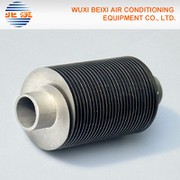
What are some common faults in finned radiator tubes
Apr 07, 2026
Why Finned Radiator Tubes Fail: Common Faults and Fixes?
As the core component of finned radiators, finned radiator tubes directly affect the heat dissipation effect and service life of the equipment. Operating under industrial conditions for extended periods, they are susceptible to various malfunctions due to environmental and media factors. Timely troubleshooting and handling of these faults ensures the normal operation of the finned radiator tubes and prevents disruption to the overall heat dissipation system. The following section details common Stainlesss Steel Tube Finned Radiator malfunctions from four key perspectives to aid in accurate identification and response.
1. Corrosion failure of finned radiator tubes
Corrosion is one of the most common failures of finned radiator tubes, mostly caused by the operating environment and the medium. If corrosive gases or moisture are present in the operating environment, or if the medium being transported is corrosive, it will gradually erode the tube wall and surface of the finned radiator tube, causing the tube wall to thin, rust to appear, and in severe cases, damage to occur, affecting medium transport and heat conduction, and even leading to equipment leakage.

2. Finned radiator tube blockage fault
Over long-term operation, Stainless Steel Radiators are prone to accumulating scale, oil, dust, and other debris, leading to blockages. These blockages hinder media circulation, preventing proper heat conduction and significantly reducing heat dissipation efficiency. They also increase the operating load on the equipment, causing abnormal temperature increases. Furthermore, if a large amount of debris adheres to the outer fins, it will indirectly affect the heat dissipation performance of the finned radiator tubes, exacerbating the effects of blockages.
3. Leakage fault in finned radiator tubes

Leakage failures are mostly caused by corrosion, wear, or improper installation. Long-term corrosion can damage the tube walls of finned radiators, causing the medium to leak from the damaged areas. Vibration and friction during equipment operation can wear down the tube walls, leading to leaks. If the interfaces are not sealed properly or the pipe connections are not made correctly during installation, it can also cause medium leakage, which not only affects the heat dissipation effect but may also cause safety hazards and production losses.
4. Poor thermal conductivity of finned radiator tubes
Poor thermal conductivity is mainly caused by scaling on the tube walls, fin deformation, or blockage inside the tubes. Scale on the tube walls hinders heat conduction, leading to a decrease in the thermal conductivity of the finned radiator tubes; fin deformation reduces the heat dissipation area, affecting heat dissipation; and blockage inside the tubes leads to poor medium circulation, preventing timely heat transfer and ultimately reducing the performance of the entire heat dissipation system, making it unable to meet the heat dissipation requirements of industrial equipment.
If you require further information about finned radiator tubes or Stainless Steel Finned Radiators and would like to obtain precise parameters, we sincerely invite you to contact Wuxi Beixi Air Conditioning Equipment for consultation and discussion. We have a professional technical team that is always on duty and fully committed to meeting your needs.