

What are the pressure drop characteristics of carbon steel fin pipes?
Aug 06, 2025
Hey there! As a supplier of carbon steel fin pipes, I've been getting a lot of questions about the pressure drop characteristics of these pipes. So, I thought I'd take some time to break it down for you all.
First off, let's talk about what pressure drop is. In simple terms, pressure drop is the difference in pressure between two points in a fluid - carrying system. When fluid flows through a carbon steel fin pipe, it experiences resistance, which leads to a drop in pressure. Understanding the pressure drop characteristics is crucial because it can impact the overall efficiency of your system.
Factors Affecting Pressure Drop in Carbon Steel Fin Pipes
1. Fin Geometry
The shape, size, and density of the fins on carbon steel pipes play a huge role in determining the pressure drop. For example, if the fins are too closely spaced, the fluid has less room to flow, which increases the resistance and thus the pressure drop. On the other hand, widely - spaced fins may reduce the heat transfer efficiency, but they can lower the pressure drop.
We offer Laser Welding Finned Pipe which has a unique fin geometry. The laser - welded fins are precisely placed, allowing for a good balance between heat transfer and pressure drop. The smooth surface of the laser - welded fins also helps in reducing the frictional resistance of the fluid flow, resulting in a relatively lower pressure drop compared to some other types of finned pipes.
2. Fluid Velocity
The speed at which the fluid flows through the carbon steel fin pipe is another major factor. Higher fluid velocities generally lead to higher pressure drops. This is because as the fluid moves faster, it collides more frequently with the fins and the pipe walls, creating more resistance.
If you're dealing with a system where high - velocity fluid flow is necessary, you need to carefully consider the pressure drop. Our Laser Welding Finned Tube is designed to handle different fluid velocities. The robust construction and optimized fin design help to minimize the pressure drop even at relatively high fluid velocities.
3. Fluid Properties
The properties of the fluid, such as its viscosity and density, also affect the pressure drop. Viscous fluids, like heavy oils, have a higher internal resistance to flow, which means they will experience a greater pressure drop when flowing through the carbon steel fin pipe. Dense fluids also require more energy to move through the pipe, contributing to a higher pressure drop.
When selecting carbon steel fin pipes for a specific fluid, it's important to take these properties into account. Our team can help you choose the right type of fin pipe based on the fluid you're using. For example, if you're using a highly viscous fluid, we might recommend our Elliptical Finned Tube. The elliptical shape of the tube and fins can provide a more streamlined flow path for the viscous fluid, reducing the pressure drop.
Measuring Pressure Drop in Carbon Steel Fin Pipes
To accurately measure the pressure drop in carbon steel fin pipes, you can use pressure sensors placed at the inlet and outlet of the pipe section. By subtracting the outlet pressure from the inlet pressure, you can determine the pressure drop.
It's also important to note that pressure drop can change over time. For example, if there is fouling on the fins or inside the pipe, the resistance to fluid flow will increase, leading to a higher pressure drop. Regular maintenance and cleaning of the carbon steel fin pipes can help to keep the pressure drop within an acceptable range.
Impact of Pressure Drop on System Performance
A high pressure drop in a carbon steel fin pipe system can have several negative impacts on the overall performance. Firstly, it requires more energy to pump the fluid through the system. This means higher operating costs in the long run. Secondly, it can reduce the flow rate of the fluid, which may affect the heat transfer efficiency of the system.
On the other hand, if the pressure drop is too low, it might indicate that the heat transfer is not as efficient as it could be. So, finding the right balance is key.
How Our Carbon Steel Fin Pipes Can Help
As a supplier, we understand the importance of optimizing the pressure drop characteristics of carbon steel fin pipes. Our pipes are designed and manufactured with the latest technology to ensure the best possible performance.

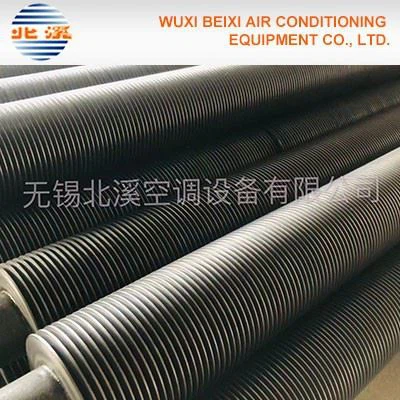
We use high - quality carbon steel materials that are resistant to corrosion and wear. This not only extends the lifespan of the pipes but also helps in maintaining a stable pressure drop over time. Our manufacturing process allows for precise control of the fin geometry, ensuring that the pipes can provide an optimal balance between heat transfer and pressure drop.
Whether you're working on a small - scale industrial project or a large - scale power plant, our carbon steel fin pipes can meet your needs. We have a wide range of products, including different fin types, sizes, and configurations, to suit various applications.
Conclusion
In conclusion, understanding the pressure drop characteristics of carbon steel fin pipes is essential for the efficient operation of any fluid - carrying and heat - transfer system. Factors like fin geometry, fluid velocity, and fluid properties all play a role in determining the pressure drop.
If you're looking for high - quality carbon steel fin pipes that can help you optimize the pressure drop and improve the overall performance of your system, we're here to help. Don't hesitate to reach out to us for more information or to discuss your specific requirements. We're always ready to assist you in finding the perfect solution for your project.
If you're interested in purchasing our carbon steel fin pipes or have any questions about pressure drop or other related topics, feel free to contact us. We're eager to start a conversation and help you with your procurement needs.
References
- Incropera, F. P., & DeWitt, D. P. (2002). Fundamentals of Heat and Mass Transfer. John Wiley & Sons.
- Bhattacharyya, S. (2011). Heat Exchanger Design Handbook. CRC Press.