

How do you select the fin material based on the application?
Apr 10, 2026
When it comes to selecting the fin material for finned tubes, it's a decision that significantly impacts the performance, efficiency, and longevity of heat exchangers and other applications. As a finned tube supplier, I've encountered various scenarios where the choice of fin material can make or break the effectiveness of a system. In this blog, I'll delve into the factors to consider when selecting fin materials based on different applications.
Thermal Conductivity
One of the primary considerations when choosing a fin material is its thermal conductivity. The higher the thermal conductivity, the more efficiently heat can be transferred from the tube to the surrounding fluid. For applications where rapid heat transfer is crucial, materials with high thermal conductivity are preferred.
Copper is a popular choice due to its excellent thermal conductivity. It is widely used in air conditioning and refrigeration systems, where efficient heat transfer is essential for optimal performance. Copper fins can quickly transfer heat from the refrigerant in the tube to the air, helping to cool or heat the space effectively.
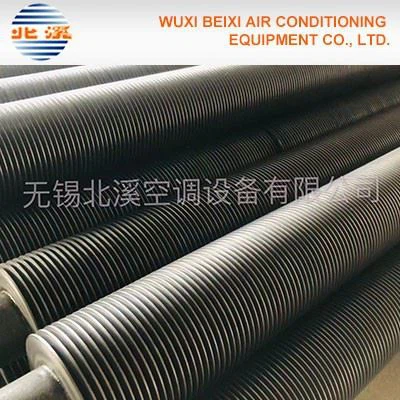
Aluminium is another commonly used material. It has a relatively high thermal conductivity, is lightweight, and is corrosion-resistant. Aluminium fins are often used in automotive radiators and heat exchangers for industrial applications. The Aluminium Finned Tube is a great example of how aluminium can be utilized in finned tube applications. Its lightweight nature makes it ideal for applications where weight is a concern, such as in automotive and aerospace industries.
Corrosion Resistance
In many applications, the fin material needs to be resistant to corrosion. Exposure to harsh chemicals, moisture, or high humidity can cause the fins to corrode, reducing their efficiency and lifespan.
Stainless steel is a popular choice for applications where corrosion resistance is a priority. It can withstand a wide range of corrosive environments, including those with high levels of salt, acids, or alkalis. Stainless steel fins are commonly used in marine applications, chemical processing plants, and food processing industries.
For less corrosive environments, aluminium can also provide sufficient corrosion resistance. It forms a protective oxide layer on its surface, which helps to prevent further corrosion. However, in more aggressive environments, additional coatings or treatments may be required to enhance its corrosion resistance.
Mechanical Strength
The mechanical strength of the fin material is also an important factor to consider. Fins need to be able to withstand the forces exerted on them during operation, such as vibration, pressure, and thermal expansion.
Copper and aluminium have relatively good mechanical strength, but in applications where high strength is required, materials like carbon steel or alloy steel may be more suitable. These materials can withstand higher pressures and temperatures, making them ideal for industrial applications such as power generation and oil refining.
In some cases, the fin design can also affect the mechanical strength. For example, Laser Welded Finned Tube Heat Exchangers offer a high level of mechanical strength due to the strong bond between the fins and the tube. This type of construction can withstand higher pressures and vibrations, making it suitable for demanding applications.
Cost
Cost is always a consideration when selecting fin materials. Different materials have different costs, and the choice of material will depend on the budget and the specific requirements of the application.
Copper is relatively expensive compared to aluminium, but its high thermal conductivity and excellent corrosion resistance make it a popular choice for high-performance applications. Aluminium, on the other hand, is more cost-effective and is widely used in a variety of applications where cost is a significant factor.
Stainless steel is also more expensive than aluminium, but its corrosion resistance and mechanical strength make it a good choice for applications where durability is essential. In some cases, a combination of materials may be used to balance cost and performance.
Application-Specific Considerations
The specific application of the finned tube also plays a crucial role in the selection of the fin material. Here are some examples of different applications and the suitable fin materials:
Air Conditioning and Refrigeration
In air conditioning and refrigeration systems, efficient heat transfer is essential. Copper fins are commonly used due to their high thermal conductivity. They can quickly transfer heat from the refrigerant to the air, helping to cool or heat the space effectively. Aluminium fins are also used in some applications, especially where cost is a concern.
Automotive Radiators
Automotive radiators need to be lightweight and efficient. Aluminium fins are the preferred choice due to their high thermal conductivity, lightweight nature, and corrosion resistance. They can effectively transfer heat from the engine coolant to the air, helping to keep the engine cool.
Industrial Heat Exchangers
Industrial heat exchangers are used in a variety of industries, including power generation, chemical processing, and food processing. The choice of fin material depends on the specific requirements of the application. Stainless steel fins are often used in applications where corrosion resistance is a priority, while copper or aluminium fins are used in applications where high thermal conductivity is required.
Marine Applications
In marine applications, the fin material needs to be resistant to corrosion from saltwater. Stainless steel is the most commonly used material due to its excellent corrosion resistance. It can withstand the harsh marine environment and provide long-lasting performance.
Conclusion
Selecting the right fin material is crucial for the performance, efficiency, and longevity of finned tube applications. When making a decision, it's important to consider factors such as thermal conductivity, corrosion resistance, mechanical strength, cost, and the specific requirements of the application.
As a finned tube supplier, I can provide you with expert advice on selecting the right fin material for your application. Whether you need Aluminium Finned Tube, Laser Welded Finned Tube Heat Exchangers, or Oval Square Fin Tube, I can help you find the best solution for your needs. If you're interested in purchasing finned tubes or have any questions, please feel free to contact me for a consultation. I look forward to working with you to meet your heat transfer requirements.

References
- Incropera, F. P., & DeWitt, D. P. (2002). Fundamentals of Heat and Mass Transfer. John Wiley & Sons.
- Holman, J. P. (2002). Heat Transfer. McGraw-Hill.
- Kakaç, S., & Pramuanjaroenkij, A. (2005). Heat Exchangers: Selection, Rating, and Thermal Design. CRC Press.