

Can a finned tube coil be retrofitted into an existing system?
Oct 24, 2025
Can a Finned Tube Coil be Retrofitted into an Existing System?
As a seasoned supplier of finned tube coils, I often encounter inquiries from customers who are considering retrofitting these components into their existing systems. The question of whether a finned tube coil can be successfully integrated into an already established setup is a complex one, influenced by various factors such as system design, compatibility, and performance requirements. In this blog post, I will delve into the key considerations and provide insights to help you determine if retrofitting a finned tube coil is a viable option for your specific situation.
Understanding Finned Tube Coils
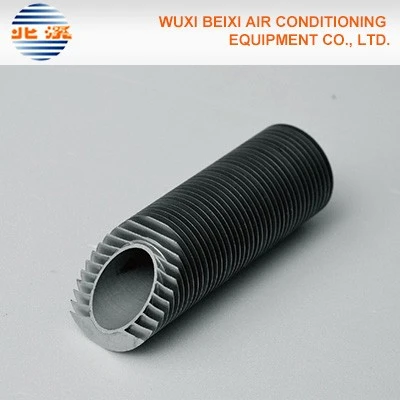
Before we explore the retrofitting process, it's essential to have a clear understanding of what finned tube coils are and how they function. Finned tube coils are heat transfer devices that consist of a series of tubes with fins attached to their outer surface. The fins increase the surface area of the tubes, enhancing the heat transfer efficiency between the fluid flowing inside the tubes and the surrounding medium, such as air or water. These coils are commonly used in a wide range of applications, including HVAC systems, refrigeration units, industrial processes, and power generation.
There are different types of finned tube coils available in the market, each with its own unique characteristics and advantages. For example, Heat Exchanger Finned Tube are designed specifically for heat exchange applications, where efficient transfer of thermal energy is crucial. Stainless Steel Fin Tube offer excellent corrosion resistance, making them suitable for use in harsh environments. Laser Welded Finned Coil are known for their high strength and durability, thanks to the precise welding process used to attach the fins to the tubes.
Factors to Consider for Retrofitting
When considering retrofitting a finned tube coil into an existing system, several factors need to be taken into account to ensure a successful installation and optimal performance. Here are some of the key considerations:
- System Compatibility: The first step is to assess the compatibility of the finned tube coil with the existing system. This includes evaluating the physical dimensions, connection types, and operating conditions of the coil and the system. For example, the size and shape of the coil must be compatible with the available space in the system, and the connection points must match the existing piping or ductwork. Additionally, the operating temperature, pressure, and flow rate of the coil must be within the acceptable range of the system to avoid any potential issues.
- Heat Transfer Requirements: Another important factor is the heat transfer requirements of the system. The finned tube coil must be capable of providing the necessary heat transfer capacity to meet the specific needs of the application. This requires a careful analysis of the thermal load, fluid properties, and heat transfer coefficients of the system. Based on this analysis, the appropriate size, configuration, and material of the finned tube coil can be selected to ensure optimal performance.
- Energy Efficiency: Retrofitting a finned tube coil can also have a significant impact on the energy efficiency of the system. By improving the heat transfer efficiency, the coil can reduce the energy consumption and operating costs of the system. However, it's important to choose a coil that is designed for high energy efficiency and to ensure that it is properly installed and maintained. This may involve upgrading other components of the system, such as the fans, pumps, or controls, to optimize the overall energy performance.
- Cost and Return on Investment: Cost is always a major consideration when it comes to retrofitting any component in a system. The cost of the finned tube coil, including the purchase price, installation costs, and any additional equipment or modifications required, must be weighed against the potential benefits, such as energy savings, improved performance, and extended equipment life. A detailed cost-benefit analysis should be conducted to determine the return on investment (ROI) of the retrofit project and to ensure that it is a financially viable option.
- Maintenance and Serviceability: Finally, it's important to consider the maintenance and serviceability of the finned tube coil. The coil should be easy to access, clean, and inspect to ensure proper operation and prevent any potential issues. Additionally, the availability of replacement parts and technical support should be considered to minimize downtime and ensure long-term reliability.
The Retrofitting Process
Once the above factors have been carefully evaluated and it has been determined that retrofitting a finned tube coil is a viable option, the next step is to proceed with the installation process. Here are the general steps involved in retrofitting a finned tube coil into an existing system:
- System Assessment: The first step is to conduct a detailed assessment of the existing system to identify any potential issues or limitations that may affect the retrofit process. This includes measuring the physical dimensions, checking the connection types, and evaluating the operating conditions of the system.
- Coil Selection: Based on the system assessment and the heat transfer requirements, the appropriate finned tube coil can be selected. This may involve working with a knowledgeable supplier or engineer to ensure that the coil meets the specific needs of the application.
- Design and Engineering: Once the coil has been selected, the next step is to design and engineer the retrofit solution. This includes determining the optimal location and orientation of the coil, designing the connection points and piping or ductwork, and developing a detailed installation plan.
- Installation: The installation process typically involves removing the existing heat transfer device, installing the new finned tube coil, and connecting it to the existing system. This may require some modifications to the system, such as cutting and welding pipes or ductwork, installing new supports or brackets, and adjusting the controls.
- Testing and Commissioning: After the installation is complete, the system should be thoroughly tested and commissioned to ensure that it is operating properly and meeting the specified performance requirements. This includes checking the flow rates, pressures, temperatures, and heat transfer coefficients of the system, as well as verifying the functionality of the controls and safety devices.
- Training and Support: Finally, it's important to provide training and support to the system operators and maintenance personnel to ensure that they are familiar with the operation and maintenance of the new finned tube coil. This may involve providing user manuals, training sessions, and ongoing technical support to address any questions or issues that may arise.
Conclusion
In conclusion, retrofitting a finned tube coil into an existing system can be a viable option for improving the heat transfer efficiency, energy performance, and overall functionality of the system. However, it's important to carefully consider the factors discussed above and to work with a knowledgeable supplier or engineer to ensure a successful installation and optimal performance. By following the proper procedures and guidelines, you can achieve significant benefits from the retrofit project, including energy savings, reduced operating costs, and extended equipment life.

If you are considering retrofitting a finned tube coil into your existing system, I encourage you to contact us to discuss your specific needs and requirements. Our team of experts has extensive experience in designing and installing finned tube coils for a wide range of applications, and we can provide you with the professional advice and support you need to make an informed decision. We look forward to working with you to improve the performance and efficiency of your system.
References
- Incropera, F. P., & DeWitt, D. P. (2002). Fundamentals of Heat and Mass Transfer. Wiley.
- Holman, J. P. (2002). Heat Transfer. McGraw-Hill.
- ASHRAE Handbook - Fundamentals. (2009). American Society of Heating, Refrigerating and Air-Conditioning Engineers.