

Can aluminium finned tubes be used in industrial furnaces?
Aug 15, 2025
Hey there! As a supplier of Aluminium Finned Tubes, I often get asked if these tubes can be used in industrial furnaces. Well, let's dive right into this topic and find out.
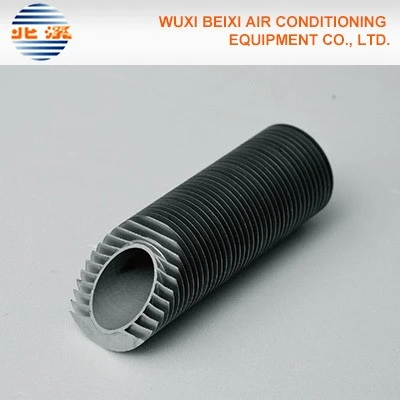
First off, let's talk a bit about what aluminium finned tubes are. Aluminium finned tubes are basically tubes with aluminium fins attached to them. These fins increase the surface area of the tube, which in turn enhances heat transfer. They're commonly used in a variety of applications, like HVAC systems, refrigeration units, and of course, we're here to discuss industrial furnaces.
Now, can they be used in industrial furnaces? The short answer is yes, but there are some things to consider.

Advantages of Using Aluminium Finned Tubes in Industrial Furnaces
1. Excellent Heat Transfer
One of the main reasons aluminium finned tubes can be a great choice for industrial furnaces is their superior heat transfer capabilities. Aluminium is a highly conductive metal, which means it can transfer heat quickly and efficiently. The fins on the tubes further increase the surface area available for heat exchange. This allows for better heat transfer between the hot gases inside the furnace and the fluid flowing through the tubes. As a result, the furnace can operate more efficiently, saving energy and reducing operating costs.
2. Lightweight
Aluminium is a lightweight metal compared to other materials commonly used in industrial furnaces, such as steel. This makes the installation and maintenance of aluminium finned tubes much easier. Less weight also means less stress on the furnace structure, which can extend the lifespan of the furnace. And if you ever need to replace or repair the tubes, it's a lot less hassle to handle the lightweight aluminium tubes.
3. Corrosion Resistance
Aluminium has a natural oxide layer that forms on its surface, which provides some level of corrosion resistance. In many industrial furnace environments, there may be exposure to various chemicals and gases that can cause corrosion. The corrosion resistance of aluminium finned tubes helps to protect the tubes from damage, ensuring a longer service life. This can save you money in the long run by reducing the need for frequent tube replacements.
4. Cost - Effective
Aluminium is generally less expensive than some other metals used in heat transfer applications. This makes aluminium finned tubes a cost - effective option for industrial furnace operators. You can get good performance at a lower price, which is always a plus when it comes to industrial operations.
Limitations and Considerations
1. Temperature Limitations
While aluminium is a great material for many applications, it does have its temperature limitations. Aluminium has a relatively low melting point compared to some other metals. In very high - temperature industrial furnaces, the aluminium fins may start to deform or even melt. So, it's important to know the operating temperature range of your furnace and make sure it's within the safe limits for aluminium. If the furnace operates at extremely high temperatures, you may need to consider other materials or use additional protective measures.
2. Compatibility with Furnace Atmosphere
The atmosphere inside an industrial furnace can vary widely depending on the type of process being carried out. Some atmospheres may contain chemicals or gases that can react with aluminium. For example, in a furnace with a highly acidic or alkaline atmosphere, the aluminium fins may be more prone to corrosion. It's crucial to analyze the furnace atmosphere and ensure that the aluminium finned tubes are compatible with it. If there are compatibility issues, you may need to use a different type of coating or a different material altogether.
3. Mechanical Strength
Aluminium is not as strong as some other metals, such as steel. In industrial furnaces, there may be mechanical stresses due to factors like vibration, pressure changes, or thermal expansion and contraction. If the mechanical stresses are too high, the aluminium finned tubes may be more likely to break or deform. You need to assess the mechanical requirements of your furnace and make sure the aluminium finned tubes can withstand the stresses. In some cases, you may need to reinforce the tubes or use a different design to improve their mechanical strength.
Types of Aluminium Finned Tubes
We offer a variety of aluminium finned tubes to suit different industrial furnace applications. For example, we have the Oval Square Fin Tube. This type of tube has a unique oval - square fin design that provides increased surface area for heat transfer while also offering good mechanical stability.
Another option is the Elliptical Finned Tube. The elliptical shape of the fins can help to reduce pressure drop and improve the flow of fluid through the tubes. This can be beneficial in industrial furnaces where efficient fluid flow is important for heat transfer.
We also have Stainless Steel Fin Tube options. While not strictly aluminium, stainless steel fin tubes can be a good alternative in certain furnace applications where the temperature or corrosion requirements are more demanding.
Conclusion
So, to sum it up, aluminium finned tubes can definitely be used in industrial furnaces, but you need to carefully consider the operating conditions, temperature range, furnace atmosphere, and mechanical requirements. If these factors are within the capabilities of aluminium, then aluminium finned tubes can offer excellent heat transfer, lightweight design, corrosion resistance, and cost - effectiveness.
If you're in the market for aluminium finned tubes for your industrial furnace, or if you have any questions about which type of tube would be best for your application, don't hesitate to get in touch. We're here to help you make the right choice and ensure that your industrial furnace operates at its best.
References
- Incropera, F. P., & DeWitt, D. P. (2002). Fundamentals of Heat and Mass Transfer. Wiley.
- Holman, J. P. (2002). Heat Transfer. McGraw - Hill.